
The Future of the Auto Industry: Innovation, Sustainability, and Smart Mobility
Introduction
The automobile industry is undergoing one of the most dramatic transformations in its history. What was once defined by combustion engines and mechanical engineering is now driven by software, electrification, and connectivity. As environmental concerns grow and technology advances, the concept of a car is evolving into something far more intelligent and sustainable.
This article explores the current landscape of the auto industry, key trends shaping its future, and what consumers can expect in the years ahead.
The Evolution of Automobiles
From Mechanical Machines to Smart Systems
The early automobiles were purely mechanical, focused on transportation efficiency. Over time, vehicles incorporated:
- Electronic control systems
- Safety features like airbags and ABS
- Advanced infotainment systems
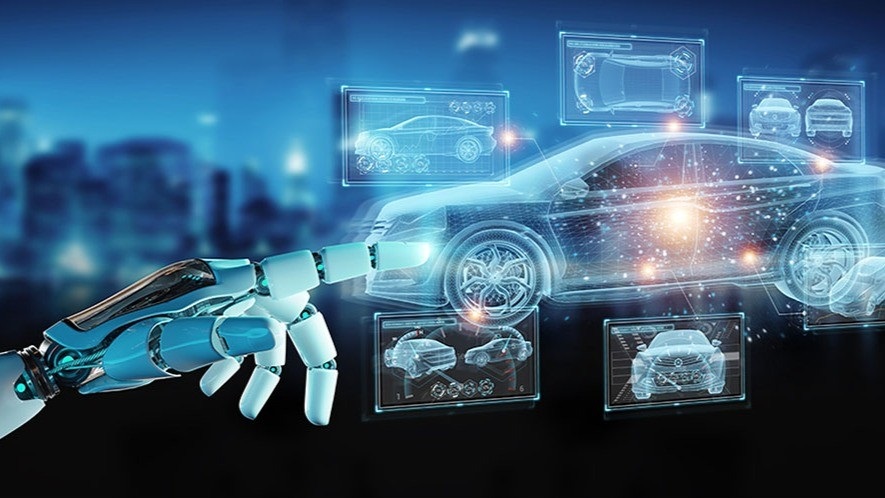
Today’s vehicles are essentially computers on wheels, integrating artificial intelligence and real-time data processing.
Key Trends Transforming the Auto Industry
1. Electric Vehicles (EVs)
Electric vehicles are no longer niche products. They are becoming mainstream due to:
- Zero tailpipe emissions
- Lower running costs
- Government incentives and policies
Major manufacturers are shifting their focus toward fully electric lineups, signaling a long-term transition away from fossil fuels.
2. Autonomous Driving Technology
Self-driving technology aims to reduce human error and improve road safety. While fully autonomous vehicles are still under development, many cars already offer:
- Adaptive cruise control
- Lane-keeping assistance
- Automated parking
These features represent early steps toward a future of driverless mobility.
3. Connected Cars
Modern vehicles are increasingly connected to the internet, enabling:
- Real-time navigation updates
- Remote diagnostics
- Over-the-air software updates
This connectivity enhances both convenience and safety, making driving more efficient.
4. Shared Mobility
Ownership models are changing as well. Urban populations are embracing:
- Ride-sharing services
- Car subscription models
- Mobility-as-a-service platforms
This reduces the need for personal vehicle ownership in densely populated areas.
Sustainability and Environmental Impact
The Push Toward Green Mobility
The automotive sector plays a major role in global emissions. To address this, companies are investing in:
- Renewable energy-powered manufacturing
- Battery recycling technologies
- Lightweight materials for efficiency
Electric vehicles, combined with clean energy sources, are key to reducing the industry’s carbon footprint.
Challenges Facing the Auto Industry
Despite rapid innovation, the industry faces several hurdles:
- Battery limitations: Range and charging infrastructure still need improvement
- High production costs: Especially for EVs and advanced tech
- Regulatory complexities: Different policies across countries
- Cybersecurity risks: Connected cars are vulnerable to digital threats
Addressing these challenges will be crucial for sustained growth.
The Role of Artificial Intelligence
AI is becoming central to automotive innovation. It powers:
- Autonomous driving systems
- Predictive maintenance
- Voice assistants and personalization
With AI, vehicles can learn user behavior, optimize routes, and even anticipate maintenance needs.
What Consumers Can Expect
The next decade will redefine how people interact with vehicles. Consumers can expect:
- Faster adoption of electric vehicles
- Improved charging infrastructure
- Enhanced safety features
- Seamless integration with smart devices
Cars will increasingly function as personalized mobility hubs rather than simple transportation tools.
Conclusion
The auto industry is at a turning point. Driven by technology and sustainability, the future promises smarter, cleaner, and more efficient mobility solutions. While challenges remain, the pace of innovation suggests that the transformation is not just inevitable—it’s already underway.
Frequently Asked Questions (FAQs)
1. What is the biggest trend in the auto industry today?
The shift toward electric vehicles (EVs) is currently the most significant trend, driven by environmental concerns and government policies.
2. Are autonomous cars fully available yet?
Fully autonomous cars are still in development, but many vehicles already include semi-autonomous features like lane assist and adaptive cruise control.
3. Why are electric vehicles becoming popular?
They offer lower emissions, reduced fuel costs, and quieter operation, making them both eco-friendly and economical.
4. What are connected cars?
Connected cars use internet access to provide features like navigation updates, remote control, and real-time diagnostics.
5. Is car ownership declining?
In urban areas, yes. Many people are opting for shared mobility services instead of owning a vehicle.
6. What challenges do electric vehicles face?
Key challenges include battery range, charging infrastructure, and initial cost.
7. How will AI impact future cars?
AI will enable smarter driving systems, predictive maintenance, and personalized user experiences, making vehicles more efficient and safer.