
Home: More Than Just a Place
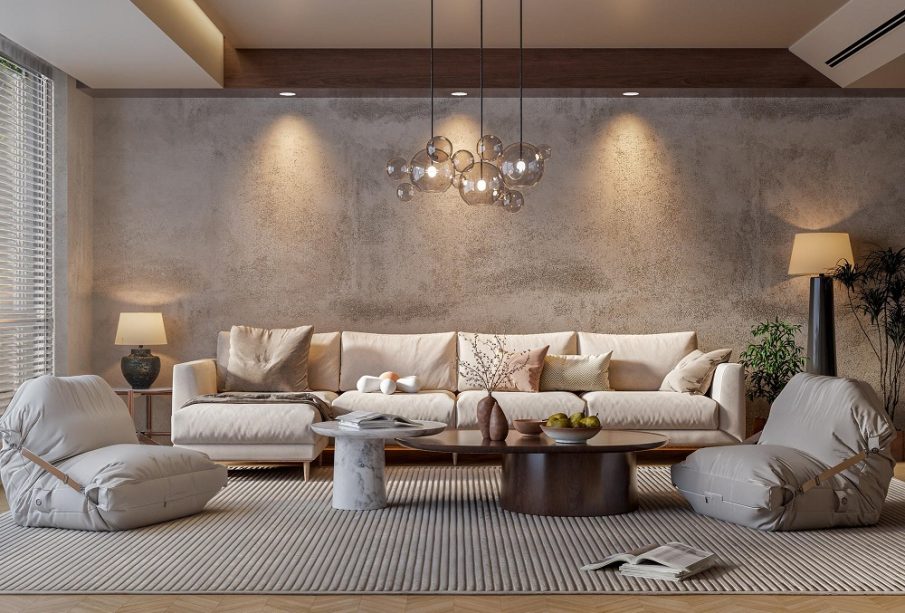
What Does “Home” Really Mean?
A home is far more than a physical structure made of walls and a roof. It is a space filled with emotions, memories, comfort, and identity. While a house can be bought or rented, a home is something that is felt—a place where one experiences belonging, safety, and peace.
For some, home is where family resides. For others, it is a personal sanctuary built through meaningful experiences. Regardless of definition, the concept of home carries deep emotional significance across cultures and lifestyles.
The Emotional Value of Home
A Sense of Belonging
One of the strongest aspects of a home is the feeling of belonging. It is the place where you can truly be yourself without judgment.
- A space where you feel accepted
- A place tied to your identity
- A foundation of emotional security
Comfort and Safety
A home provides both physical and emotional safety. After a long day, it becomes a refuge where stress fades and comfort takes over.
- Protection from external challenges
- Familiar surroundings that calm the mind
- A personal retreat for rest and recovery
Elements That Create a True Home
1. Personalization
A home reflects your personality, tastes, and lifestyle. From furniture to color choices, every detail contributes to making the space uniquely yours.
- Photos and memories
- Decor that reflects personal style
- Functional spaces tailored to your needs
2. Relationships
People play a crucial role in defining a home. The presence of loved ones transforms a physical space into a meaningful environment.
- Family bonding
- Shared experiences
- Emotional connections
3. Comfort and Functionality
A well-designed home balances comfort and practicality. It should support daily life while also offering relaxation.
- Organized living spaces
- Comfortable furniture
- Efficient layout
Types of Homes
Homes come in many forms depending on lifestyle, culture, and geography.
Traditional Homes
- Independent houses
- Villas and bungalows
- Often spacious and private
Modern Living Spaces
- Apartments and flats
- Condominiums
- Compact and convenient for urban life
Alternative Homes
- Tiny homes
- Mobile homes
- Eco-friendly or sustainable houses
Each type offers a different experience, but all can become a true home when filled with meaning.
The Role of Home in Well-being
A well-maintained home can significantly impact mental and physical health.
Mental Well-being
- Reduces stress and anxiety
- Promotes relaxation
- Enhances focus and productivity
Physical Health
- Clean environment supports hygiene
- Proper ventilation improves air quality
- Organized spaces reduce accidents
Creating a nurturing home environment contributes directly to a better quality of life.
How to Make Your Home More Meaningful
Transforming a house into a home does not require luxury—it requires intention.
- Declutter regularly to maintain a calm space
- Add natural elements like plants for freshness
- Use warm lighting to create a cozy atmosphere
- Incorporate memories through photos and keepsakes
- Design functional areas for work, rest, and leisure
Small changes can have a lasting emotional impact.
The Changing Concept of Home
In today’s fast-moving world, the idea of home is evolving.
- Remote work has turned homes into offices
- Digital connections allow emotional “homes” beyond physical spaces
- People increasingly value flexibility and mobility
Despite these changes, the essence of home remains constant: a place of comfort, identity, and belonging.
Conclusion
A home is not defined by its size, location, or cost—it is defined by how it makes you feel. It is a personal haven that grows with you, adapts to your life, and holds your most valuable memories. Whether simple or luxurious, a true home is where the heart finds peace.
FAQs About Home
1. What is the difference between a house and a home?
A house is a physical structure, while a home is a space filled with emotional connection, comfort, and personal meaning.
2. How can I make my home feel more comfortable?
Focus on cleanliness, lighting, personal decor, and creating spaces that support relaxation and daily activities.
3. Why is home important for mental health?
A stable and comforting home environment reduces stress, provides security, and promotes emotional well-being.
4. Can a small space feel like a home?
Yes, even small spaces can feel like home when they are organized, personalized, and filled with meaningful elements.
5. How does culture influence the concept of home?
Different cultures emphasize various aspects such as family, tradition, design, and community in defining a home.
6. What are some affordable ways to improve a home?
Simple changes like rearranging furniture, adding plants, using soft lighting, and decluttering can make a big difference.
7. Is home always a physical place?
Not always. For some, home can also be a feeling, a community, or even a connection with people rather than a location.