
Education: The Foundation of Personal and Societal Growth
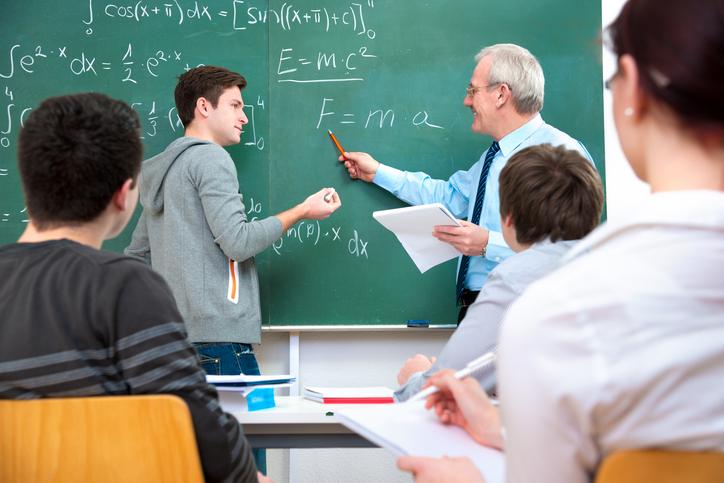
Education is more than just acquiring knowledge—it is a transformative process that shapes individuals, communities, and entire nations. From early childhood learning to lifelong skill development, education empowers people to think critically, make informed decisions, and contribute meaningfully to society.
What is Education?
Education refers to the structured process of learning, gaining knowledge, developing skills, and building character. It occurs in both formal settings like schools and informal environments such as homes, workplaces, and communities.
At its core, education helps individuals:
- Understand the world around them
- Develop problem-solving abilities
- Improve communication and social skills
- Build confidence and independence
Importance of Education in Modern Society
Education plays a crucial role in shaping a progressive and equitable society. It impacts every aspect of human life, from economic growth to social harmony.
1. Economic Development
A well-educated population contributes to higher productivity and innovation. Skilled individuals can adapt to changing industries and technologies, driving economic progress.
2. Social Equality
Education reduces inequalities by providing equal opportunities. It empowers marginalized communities and promotes fairness in society.
3. Personal Growth
Through education, individuals discover their interests, talents, and potential. It fosters self-awareness and helps people lead fulfilling lives.
4. Informed Citizenship
Educated citizens are better equipped to participate in democratic processes, understand their rights, and make responsible decisions.
Types of Education
Education is not limited to classrooms. It can be categorized into different types based on how learning occurs.
Formal Education
This includes structured learning in schools, colleges, and universities with a defined curriculum and certification.
Informal Education
Learning that happens through daily experiences, such as family interactions, media, and self-study.
Non-Formal Education
Organized learning outside traditional institutions, like vocational training, workshops, and online courses.
Modern Trends in Education
The education landscape has evolved significantly in recent years due to technological advancements and changing societal needs.
Digital Learning
Online platforms and virtual classrooms have made education more accessible than ever before.
Skill-Based Education
There is a growing emphasis on practical skills like coding, communication, and critical thinking.
Personalized Learning
Education systems are increasingly adapting to individual learning styles and paces.
Lifelong Learning
Learning is no longer limited to a specific age. Continuous education is essential in a rapidly changing world.
Challenges in Education
Despite its importance, education faces several challenges globally:
- Lack of access in rural and underprivileged areas
- Quality disparities between institutions
- Outdated curricula that do not match current industry needs
- Digital divide, limiting access to online learning
- Teacher shortages and training gaps
Addressing these challenges requires coordinated efforts from governments, educators, and communities.
How to Improve Education Systems
To make education more effective and inclusive, several steps can be taken:
- Invest in infrastructure and digital tools
- Train and support teachers continuously
- Update curricula to include modern skills
- Promote inclusive education for all groups
- Encourage critical thinking and creativity
The Future of Education
The future of education lies in adaptability and innovation. With the integration of technology such as artificial intelligence, virtual reality, and data analytics, learning experiences are becoming more immersive and efficient.
Education will increasingly focus on:
- Problem-solving and creativity
- Emotional intelligence
- Global awareness
- Interdisciplinary learning
Conclusion
Education remains the cornerstone of a thriving society. It equips individuals with the tools needed to navigate life, contribute to their communities, and shape a better future. By addressing current challenges and embracing innovation, education systems can continue to evolve and meet the needs of generations to come.
FAQs
1. Why is education important for personal development?
Education helps individuals build knowledge, skills, confidence, and critical thinking abilities, enabling them to grow personally and professionally.
2. What is the difference between formal and informal education?
Formal education occurs in structured institutions with a curriculum, while informal education happens through everyday experiences and interactions.
3. How has technology changed education?
Technology has made learning more accessible, interactive, and flexible through online platforms, digital tools, and virtual classrooms.
4. What are the biggest challenges in education today?
Major challenges include lack of access, quality disparities, outdated curricula, and the digital divide.
5. What is lifelong learning?
Lifelong learning refers to the continuous pursuit of knowledge and skills throughout a person’s life, beyond formal education.
6. How can education reduce poverty?
Education improves job opportunities, increases earning potential, and empowers individuals to make better life choices, helping break the cycle of poverty.
7. What skills are most important in modern education?
Critical thinking, communication, digital literacy, creativity, and problem-solving are among the most essential skills today.